
You write the brief
> A 15-second teaser for my coffee brand — warm, minimal, ending on “find your cup”.
Or tap a starting point and edit it. Choose 9:16, 1:1 or 16:9 before you go.
Motio turns a sentence into a finished cut — scenes, typography, motion and the photography to match — then renders the MP4 on your device.
no timeline · no watermark · renders offline


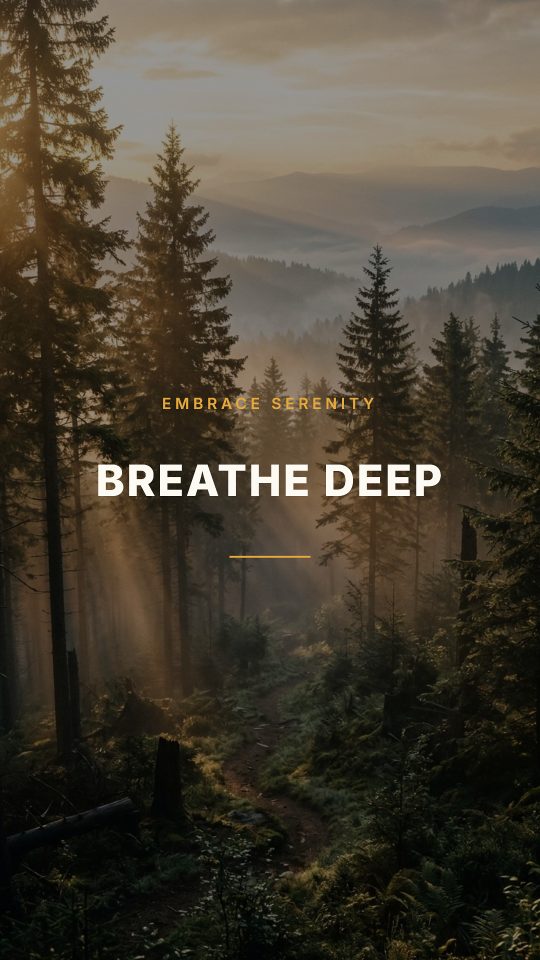
Real frames from one prompt — imagery generated, type set and rendered by the app
Three steps, about ninety seconds — most of it waiting rather than working.
> A 15-second teaser for my coffee brand — warm, minimal, ending on “find your cup”.
Or tap a starting point and edit it. Choose 9:16, 1:1 or 16:9 before you go.
An AI writes the shot list — scenes, timing, on-screen copy, motion — and generates each scene's imagery in one consistent style.
Every frame is drawn and encoded on the device by its own hardware encoder. Scrub the preview, then export.
Most video apps hand you an editor and wish you luck. Motio starts from what you meant and does the composing itself.
No stock library to trawl. Each scene's visual is generated to your words, in one consistent style and in your video's aspect ratio.
Pick the shape first — composition, type and generated imagery all follow it.
Attach your own shots and they are woven in, with captions and slow Ken Burns moves.
Scrub before committing. What the preview shows is what the file contains — same renderer, same frames.
No render farm, no upload queue, no watermark.
Being straight about this, because the answer is mixed. Your prompt — and any photos you attach — go to the AI service that writes the plan and generates imagery. That request is the product; there is no honest way to pretend otherwise.
Everything after that is local. The composition is assembled, previewed and encoded to MP4 on your phone. Finished videos are never uploaded, and there are no accounts, no ad SDKs and no analytics.
Self-hosting? Motio speaks to any OpenAI-compatible endpoint — set your own base URL, key and
model under Settings, and nothing goes near ours.
Read the policy →
About 30–45 seconds for the plan, roughly 12 seconds per generated image, then a few seconds to render. A typical 15-second video is done in around a minute and a half.
No — describing the video is the whole interface. If you want frame-level control afterwards, that is what a timeline editor like Reeledit is for, and the two are built to work together.
Yes. Attach them before generating and mention them in your brief — they become scene visuals with motion and captions like anything else.
No watermark. During the test everything is free; the generation cost sits on the service side.
Composing needs the network, because the model runs on a server. Rendering and export do not — once a plan exists, the video is made entirely on your phone.
Motio is in early testing on Android. Ask for a build and tell us what you would make with it — the briefs people actually bring are what shapes it next.